

Spiritual belief, religion, oral traditions, and the sacred writings which support them and help to give them shape have been around for a very long time.
This post was created for historical and religious investigators, of all levels, for the purpose of comparative religious analysis.
Below is a list of known and notable religious historical narratives (including sacred texts, epic poems, and foundational stories) in chronological order. Online links to the texts provided when available.
This list is by no means complete and will continue to be edited as new relevant texts are discovered.
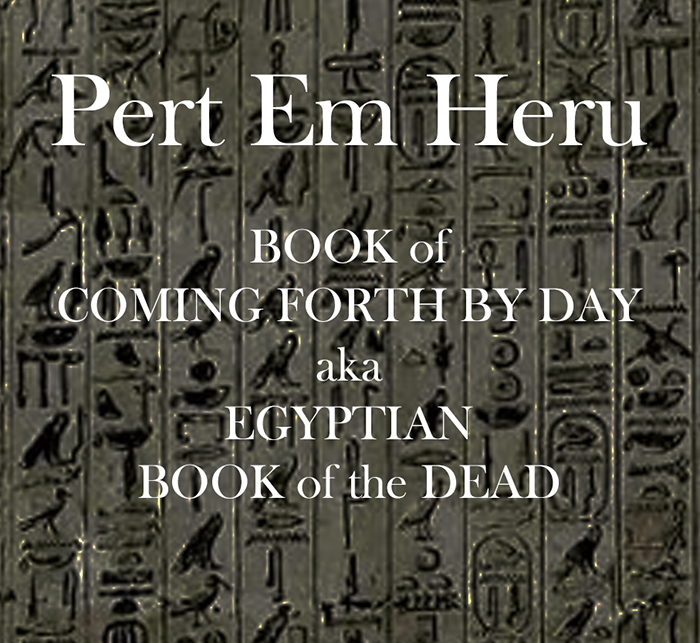
2400–2300 BCE
Kemetic Egyptian Pyramid Texts; Egypt (Nile Valley); (Originally recorded in: Egyptian, written in hieroglyphs.) are the oldest known body of ancient Egyptian funerary writings, carved inside Old Kingdom royal pyramids as spells, hymns, and ritual instructions meant to protect and transform the deceased king in the afterlife. They map a sacred geography of sky, stars, and underworld powers, invoking gods such as Ra and Osiris and describing the king’s ascent and rebirth. Over time, these ideas and formulas were adapted and expanded into later mortuary traditions, including the Coffin Texts and, eventually, the Book of Coming Forth by Day, aka, Book of the Dead.
Authorship: composed and inscribed by anonymous Egyptian priestly scribes/ritual specialists serving royal mortuary cults.
Link to Resource: https://archive.org/details/journeythroughaf0000unse
1500–1200 BCE
Hindu (Vedic); Indus Valley / Northwest Indian subcontinent; (Originally recorded in: Vedic Sanskrit.) is the earliest of the Vedas and a foundational scripture of Vedic Hinduism, consisting of hymns addressed to deities associated with natural and cosmic forces (such as Agni, Indra, and Varuna). The text reflects a ritual world centered on sacrifice (yajña), sacred speech, and the maintenance of order (ṛta), while also preserving early philosophical questions about creation and reality. Its poetic liturgies shaped later Hindu worship and theology, and many of its verses remain integral to ritual and chant traditions.
Authorship: attributed to multiple ancient seers (rishis) and their lineages; preserved and transmitted by Vedic priestly communities.
Link to resource: https://archive.org/details/ashvalayana-rigveda-samhita-vol-i
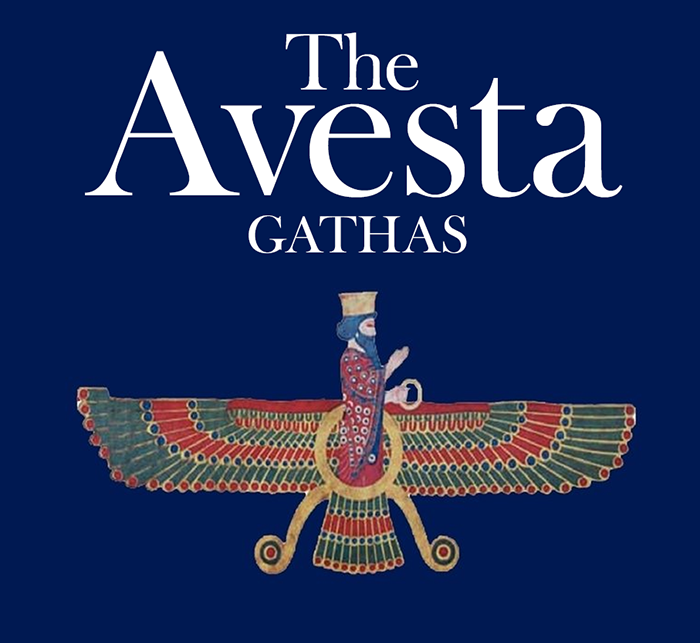
1200–1000 BCE (Gathas); later compilation c. 4th–6th century CE
Zoroastrian; Ancient Iran (Persia) / Central Asia; (Originally recorded in: Avestan—Old Avestan for the Gathas.) is the sacred corpus of Zoroastrianism, with its oldest layer—the Gathas—attributed to Zarathustra (Zoroaster) and composed as devotional, ethical hymns. Central themes include devotion to Ahura Mazda, the cosmic struggle between truth/order (asha) and deceit/chaos (druj), and the moral responsibility of humans to choose rightly through good thoughts, words, and deeds. Later Avestan materials expand into liturgy, law, and mythic history, shaping Zoroastrian ritual practice and theology across centuries.
Authorship: the Gathas are traditionally attributed to Zarathustra; other Avestan texts are largely anonymous and were compiled and transmitted by Zoroastrian priestly schools.
Link to resource: https://archive.org/details/in.ernet.dli.2015.5679
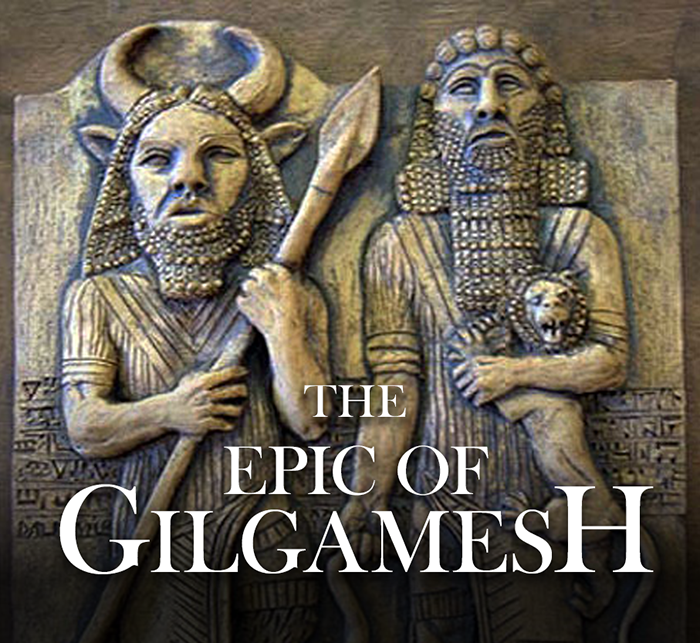
1200 BCE
Mesopotamian (Sumerian / Akkadian); Ancient Mesopotamia (modern Iraq); Sumerian poems c. 2100 BCE; standard Akkadian version (Originally recorded in: Sumerian and Akkadian, written in cuneiform.) is a Mesopotamian epic that follows the powerful king Gilgamesh and his companion Enkidu through quests that test strength, friendship, and the limits of human ambition. After confronting loss, Gilgamesh seeks immortality and encounters wisdom about mortality, meaning, and the proper place of humans within the divine order. Blending myth, theology, and royal ideology, the epic preserves some of the ancient Near East’s most enduring reflections on death and the search for lasting legacy.
Authorship: anonymous over centuries; the “standard” Akkadian version is traditionally associated with the scholar-scribe Sin-liqe-unninni (as compiler/redactor).
Link to resource: https://archive.org/details/epicofgilgamesh00jack
12th–2nd century BCE
(oral traditions earlier; written texts from c. 1000–150 BCE).
Israelite / Jewish; Ancient Israel, Judah, and Mesopotamia; (Originally recorded in: Biblical Hebrew, with some Aramaic sections.) is a collection of writings that narrate Israel’s origins, covenant relationship with God, and ongoing struggles of faith, law, and identity. Through stories, poetry, prophetic critique, and legal traditions, it presents themes of creation, liberation, ethical monotheism, and communal responsibility, repeatedly linking worship with justice. Compiled over many centuries, it became the core scripture of Judaism and a foundational text for Christianity, shaping Western religious thought and moral imagination. Authorship: multi-author and multi-source; traditionally linked to figures such as Moses (Torah) and named prophets, but broadly understood as compiled and edited by generations of Israelite/Jewish scribes and communities.
Link to resource: BibleGateway.com: A searchable online Bible in over 150 versions and 50 languages.
800–200 BCE
Hindu, Indian subcontinent; (Originally recorded in: Sanskrit.) are philosophical texts that shift Vedic religion’s emphasis from external sacrifice toward inner knowledge and spiritual realization. They explore the nature of ultimate reality (Brahman), the self (Ātman), karma and rebirth, and the possibility of liberation (moksha) through insight, discipline, and contemplation. Their dialogues and teachings became a cornerstone for later Hindu theology and practice, deeply influencing Vedānta traditions and Indian philosophy more broadly. Authorship: attributed to multiple anonymous sages and teacher-student lineages; transmitted within Vedic schools (śākhās) and later compiled into collections.
Link to resource: https://archive.org/details/thirteenprincipa0000unse_x1m6
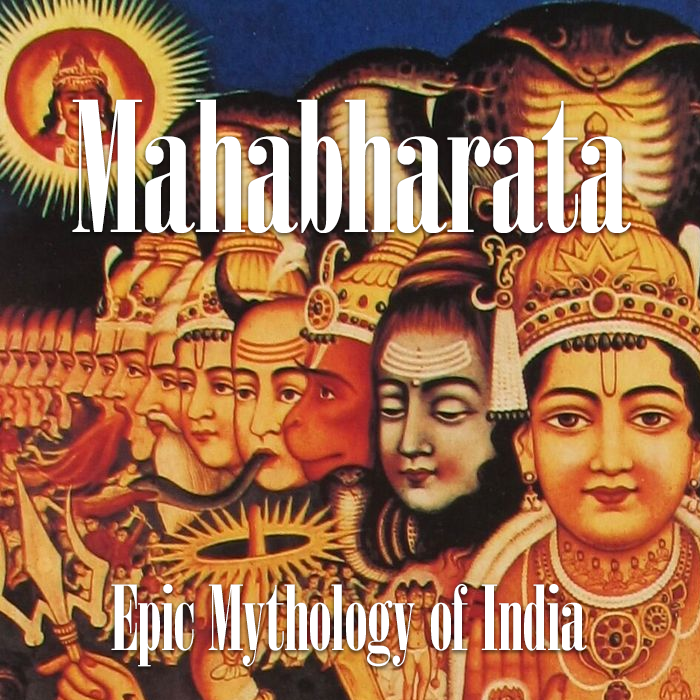
8th century BCE – 4th century CE (final form c. 400 CE)
Hindu; Indian subcontinent;. (Originally recorded in: Sanskrit.) is a vast Sanskrit epic centered on a dynastic conflict that culminates in a catastrophic war, using that drama to examine duty (dharma), power, family loyalty, and the costs of violence. Interwoven stories, teachings, and ethical debates present a world where right action is often ambiguous and must be discerned amid competing obligations. As one of Hinduism’s most influential narratives, it functions both as epic literature and as a reservoir of religious and moral instruction for diverse communities and eras. Authorship: traditionally attributed to the sage Vyasa; widely regarded as a composite work expanded and redacted by many poets, scholars, and communities over time.
Link to resource: https://archive.org/details/mahabharata0000raja_j5z7
8th century BCE
Greek (religious/mythological narratives); Greece / Aegean; (Originally recorded in: Ancient Greek, in Homeric/Ionic Greek dialect.) are Homeric epics that portray a world where gods and mortals interact continuously, and where honor, fate, and ritual obligations shape human life. The Iliad focuses on the Trojan War and the destructive consequences of rage and pride, while the Odyssey follows Odysseus’s perilous return home, emphasizing perseverance, hospitality, and divine justice. Though not “scripture” in a formal sense, these works profoundly influenced Greek religious imagination, ethics, and mythic tradition. Authorship: traditionally attributed to Homer; likely shaped from older oral traditions and possibly composed/edited by multiple poets and rhapsodes.
Link to resource(s): The Illiad – https://archive.org/details/homer-iliad-alexander
The Odyssey – https://archive.org/details/odyssey0000home_w4p9
The Adventures of Ulysses – https://archive.org/details/cu31924031287745
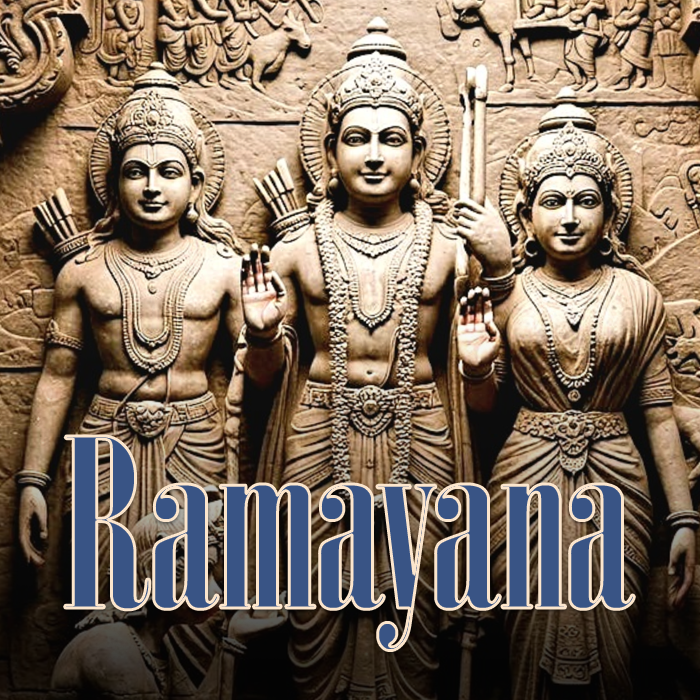
5th century BCE – 1st century BCE
Hindu; Indian subcontinent; (Originally recorded in: Sanskrit.) is a Hindu epic recounting Prince Rama’s exile, the abduction of his wife Sita by the demon-king Ravana, and Rama’s alliance with figures such as Hanuman to restore righteousness. The narrative elevates ideals of dharma—especially loyalty, self-control, and just rule—while also exploring the tensions between personal devotion and public duty. Revered across South and Southeast Asia in many versions, it remains a major source of religious teaching, performance, and cultural identity. Authorship: traditionally attributed to the sage Valmiki; the tradition includes later layers and many retellings by diverse authors and communities.
Link to resource: https://archive.org/details/AdhyatmaRamayanaEnglishTranslation
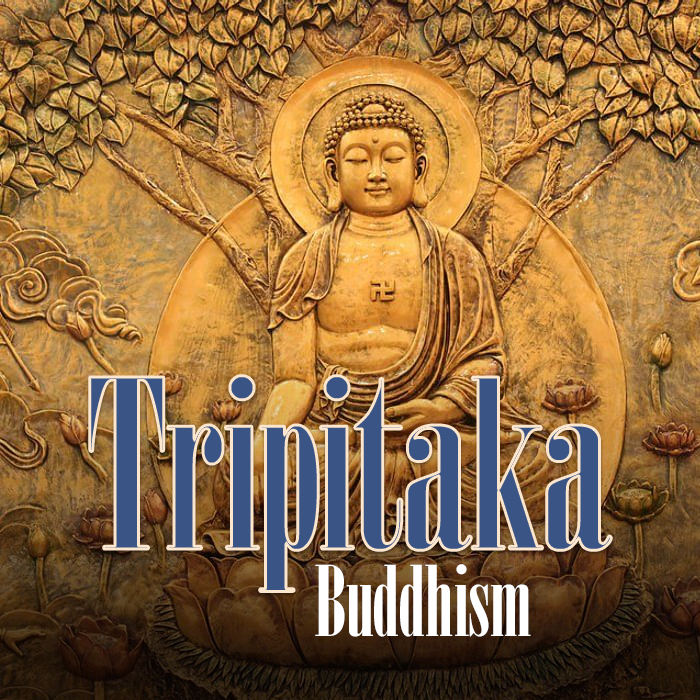
5th century BCE; written c. 1st century BCE – 1st century CE
Theravada Buddhist; Indian subcontinent; oral from (Originally recorded in: Pali, reflecting earlier Middle Indo-Aryan oral traditions.) is the earliest complete canon of Theravada Buddhism, traditionally organized into three “baskets”: monastic discipline (Vinaya), the Buddha’s discourses (Sutta), and systematic teachings (Abhidhamma). It preserves sermons, narratives, and practical guidance on ethics, meditation, and wisdom aimed at ending suffering through awakening (nirvana). As the textual backbone of Theravada tradition, it informs doctrine, monastic life, and lay practice throughout Sri Lanka and much of Southeast Asia. Authorship: teachings are attributed to the Buddha and early disciples, but the canon was collectively preserved, recited, and later written down by early Buddhist monastic communities.
Link to resource: https://archive.org/details/theravada-buddhism-tripitaka
5th–4th century BCE
Confucian; Ancient China (Zhou dynasty); (compiled after Confucius’s death). (Originally recorded in: Classical Chinese.) is a compilation of sayings and conversations attributed to Confucius and his early followers, presenting a vision of moral cultivation grounded in relationships and social responsibility. It emphasizes virtues such as humaneness (ren), ritual propriety (li), filial respect, and the formation of the “noble person” through learning and self-discipline. Rather than offering mythic narrative, it provides a practical ethical and political philosophy that became central to Confucian education, governance ideals, and East Asian cultural life. Authorship: attributed to Confucius’s teachings, compiled and edited by his students and later Confucian followers.
Link to resource: https://archive.org/details/theanalectsconfucius
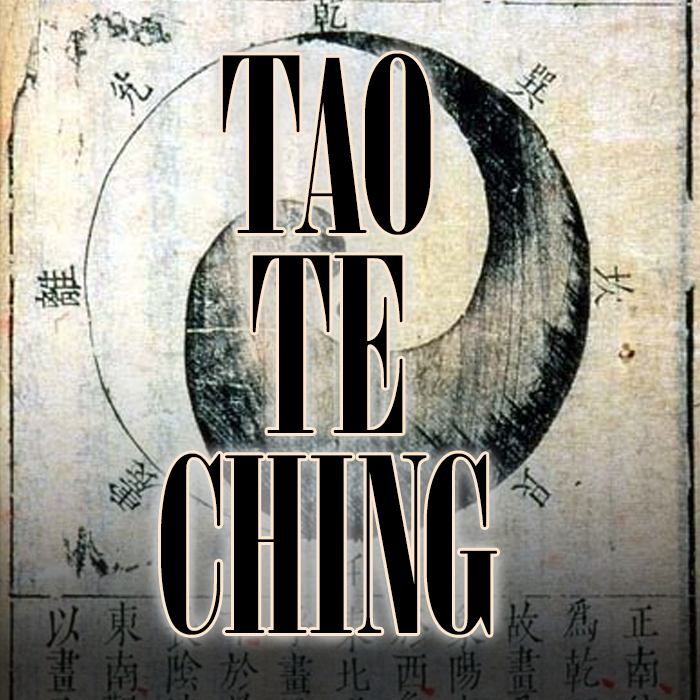
4th century BCE
Taoist; Ancient China (Zhou dynasty); (Originally recorded in: Classical Chinese.) is a concise Taoist classic of poetic verses that explores living in harmony with the Dao (the Way), the subtle source and pattern of the cosmos. It teaches ideals such as simplicity, humility, non-coercive action (wu wei), and receptivity, often using paradox to challenge rigid thinking and political ambition. Highly influential in Chinese philosophy and spirituality, it has shaped religious Daoism, meditation practices, and enduring cultural notions of naturalness and balance. Authorship: traditionally attributed to Laozi; many scholars view it as a composite text assembled from multiple strands of early Daoist thought.
Link to resource: https://archive.org/details/taotechingbookof0000laoz_r3o8
3rd century BCE
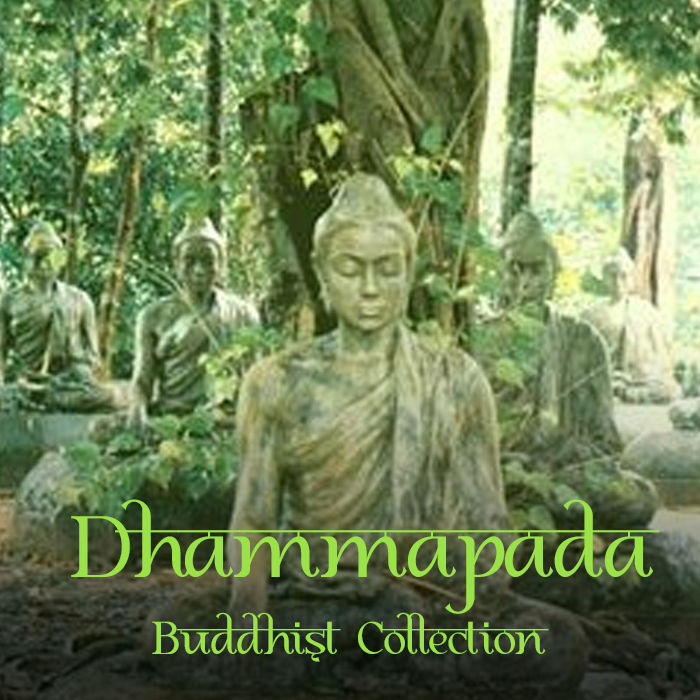
Buddhist; Indian subcontinent; (part of the Pali Canon). (Originally recorded in: Pali.) is a beloved Buddhist collection of short verses that distills core teachings on the mind, ethical conduct, and the path to liberation. It highlights how intention and mental discipline shape experience, encouraging compassion, restraint, and wisdom while warning against craving, anger, and delusion. Often used for instruction and memorization, it serves as an accessible doorway into Buddhist practice and a moral guide for both monastics and laypeople. Authorship: verses are traditionally attributed to the Buddha, collected and arranged by early Buddhist monastic communities.
Link to resource: https://archive.org/details/thedhammapada_202003
2nd century BCE – 2nd century CE
Hindu; Indian subcontinent (Originally recorded in: Sanskrit.) is a spiritual dialogue embedded in the Mahabharata in which Krishna counsels the warrior Arjuna on the eve of battle about duty, devotion, and the nature of reality. It presents multiple paths to liberation—selfless action (karma yoga), knowledge (jnana yoga), and loving devotion (bhakti yoga)—while affirming that disciplined action aligned with dharma can be spiritually transformative. One of Hinduism’s most widely read texts, it has inspired diverse interpretations ranging from personal mysticism to social and political ethics. Authorship: traditionally attributed to Vyasa (as part of the Mahabharata); generally understood as a section shaped through a long transmission and redaction history.
Link to resource: https://archive.org/details/shastras-bhagavad-gita
4th century BCE – 4th century CE (canonical by c. 5th century CE)
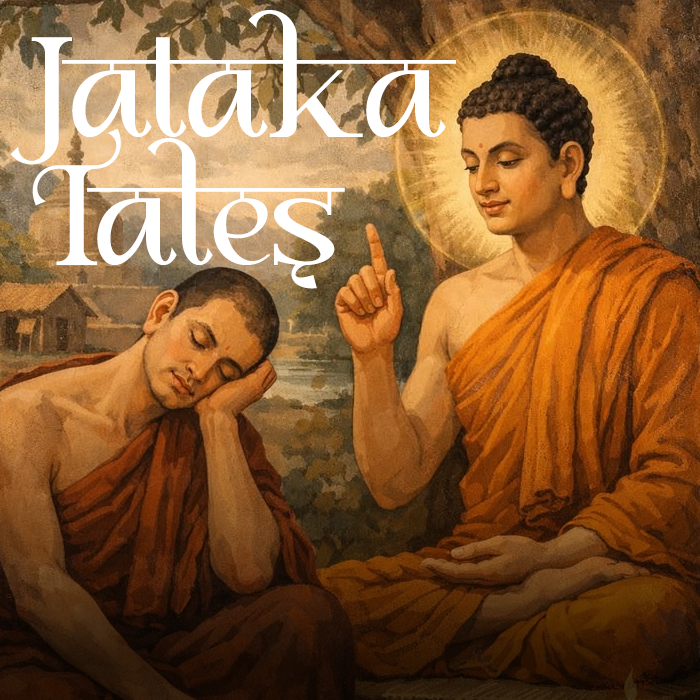
Buddhist; Indian subcontinent. (Originally recorded in: Pali, with many versions also preserved in Sanskrit and other Buddhist languages.) are narratives describing the Buddha’s previous lives, portraying him as various humans and animals who cultivate virtues such as generosity, truthfulness, patience, and compassion. Each story illustrates how moral choices accumulate over many lifetimes, supporting the Buddhist teaching of karma and the long preparation required for awakening. Widely retold in art, performance, and preaching, the Jātakas have been especially influential in shaping popular Buddhist ethics and community storytelling traditions.
Link to resource: https://archive.org/details/in.ernet.dli.2015.87970
2nd–3rd century CE
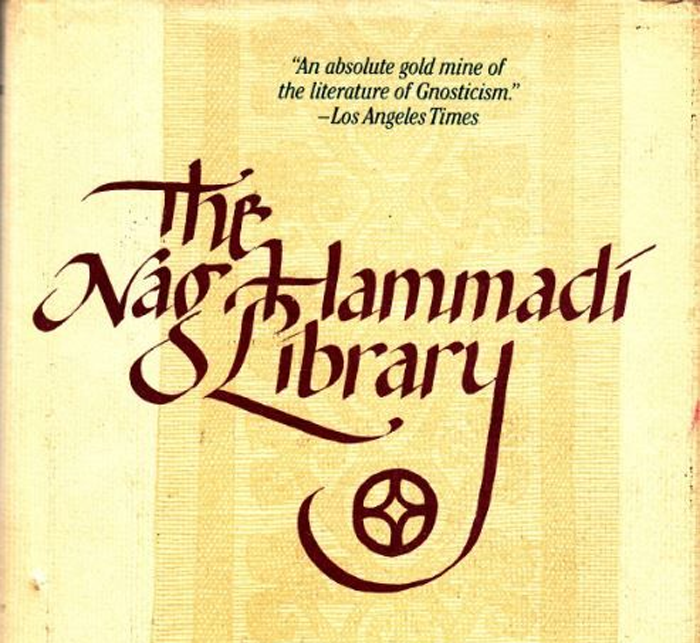
The Nag Hammadi Codices originate from Upper Egypt, near the town of Nag Hammadi (known as Chenoboskion in antiquity).
Early Christian (Gnostic, Hermetic, and Orthodox influences). Region of origin is Upper Egypt (near Nag Hammadi, modern-day Egypt). Estimated Date(s) of Writing, 2nd–3rd centuries CE. Manuscript copies (Codices): 4th century CE (c. 330–360 CE). Largely anonymous; attributed to various Gnostic Christian groups, Valentinians, and Hermetic circles.
The codices were accidentally discovered in December 1945 by local farmers (including a man named Muhammed al-Samman) near the town of Nag Hammadi in Upper Egypt. They were found in a sealed earthenware jar at the base of a cliff near a cemetery. Today, most of the codices are housed in the Coptic Museum in Cairo, Egypt.
Gnostic Gospels: Such as the Gospel of Thomas, Gospel of Philip, and Gospel of Truth.
Apocalyptic Texts: Such as the Apocryphon of John.
Philosophical Works: Including Hermetic treatises (related to Hermes Trismegistus) and a partial translation of Plato’s Republic
Link to resource: https://archive.org/details/the-coptic-gnostic-library.-a-complete-edition-of-the-nag-hammadi-codices-5-vols.
2nd–4th century CE
Hindu (Orthodox / Yogic); Indian subcontinent. (Originally recorded in: Sanskrit.) is a compact treatise that systematizes classical yoga as a path of mental discipline aimed at stilling the fluctuations of consciousness. It outlines the “eight limbs” (including ethical restraints, postures, breath control, concentration, and meditation) and explains how sustained practice and detachment lead toward insight and liberation (kaivalya). More philosophical than narrative, it became a major reference for yogic theory and practice, especially in later Hindu and modern global yoga traditions. Authorship: traditionally attributed to Patanjali; exact historical authorship is debated, with possible later commentary traditions shaping how the text is received.
Link to resource: https://archive.org/details/yogastrasofpataj0000chap
50–120 CE
Early Christian; Eastern Mediterranean (Roman Empire). (Originally recorded in: Koine Greek, with some underlying Aramaic oral traditions.) is the Christian collection of writings that proclaims Jesus’ life, teachings, death, and resurrection and interprets their meaning for faith and community life. It includes the Gospels, letters to early congregations, and apocalyptic literature, emphasizing themes such as the Kingdom of God, grace, repentance, love of neighbor, and hope in God’s renewing work. Shaping Christian doctrine and worship, it also provides a window into the diversity and debates of the earliest Christian movements within the Roman world. Authorship: attributed to multiple early Christian authors—traditionally including Matthew, Mark, Luke, John, Paul, and others—reflecting a range of communities and contexts.
Link to resource: BibleGateway.com: A searchable online Bible in over 150 versions and 50 languages.
80–90 CE
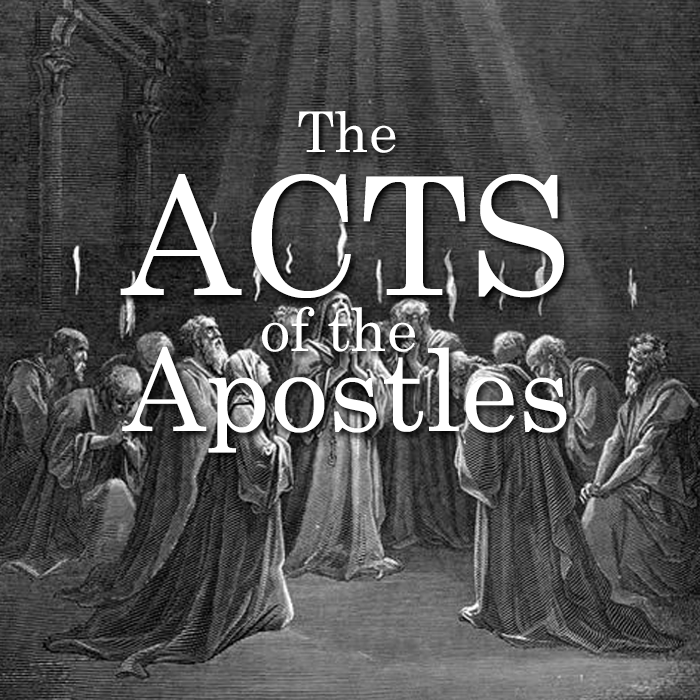
Early Christian; Eastern Mediterranean (likely Roman Empire, possibly Antioch or Rome); (Originally recorded in: Koine Greek.) is a narrative history that continues the story of Jesus by describing how the early Christian movement spread from Jerusalem into the wider Mediterranean world. It highlights the work of the Holy Spirit, the preaching and travels of figures such as Peter and Paul, and the formation of diverse communities amid controversy and persecution. As both theology and storytelling, Acts presents a vision of mission, communal life, and inclusion that has strongly influenced Christian self-understanding. Authorship: traditionally attributed to Luke (as a companion volume to the Gospel of Luke), though modern scholarship debates the author’s identity and sources.
Link to resource: BibleGateway.com: A searchable online Bible in over 150 versions and 50 languages.
Revealed 610–632 CE; compiled c. 650–656 CE
Islamic; Arabian Peninsula (Mecca and Medina); revealed 610–632 CE; compiled c. 650–656 CE. (Originally recorded in: Arabic.) is Islam’s central scripture, understood by Muslims as God’s revelation to the Prophet Muhammad, recited and preserved in Arabic. It combines proclamation, guidance, law, exhortation, and narrative references to earlier prophets, emphasizing God’s oneness (tawhid), moral accountability, prayer, charity, and social justice. Beyond its message, the Qur’an’s recitation and memorization are themselves devotional practices, and the text has shaped Islamic theology, ethics, art, and community life worldwide. Authorship: in Islamic belief, the Qur’an is divine revelation conveyed through the Prophet Muhammad; its text was compiled in written form by early Muslim community members/scribes under the first caliphs.
Link to resource: https://archive.org/details/quran-english_202204
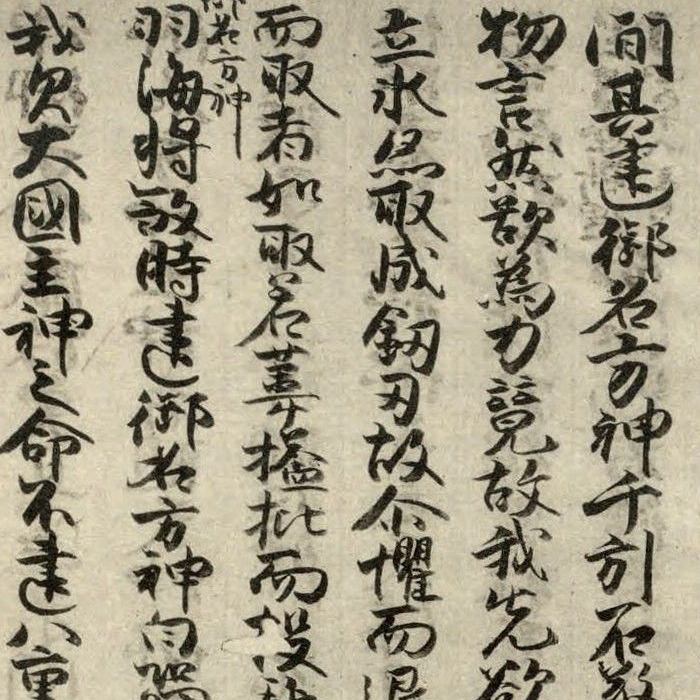
712 CE (oral traditions much earlier)
Shinto; Japan; (Originally recorded in: Classical Japanese, using early Japanese written with Chinese characters.) is Japan’s earliest extant chronicle, blending myth, genealogy, and early history to narrate the origins of the islands and the divine ancestry of the imperial line. Its stories of kami (deities/spirits) such as Izanagi, Izanami, and Amaterasu help ground Shinto conceptions of sacred place, purity, and ritual authority. While also serving political purposes in its time, it remains a key source for Japanese mythic tradition and Shinto-related cultural memory. Authorship: traditionally compiled by Ō no Yasumaro, based on recitations attributed to Hieda no Are, under imperial patronage.
Link to resource (Japanese): https://archive.org/details/kteikojikiden07motouoft
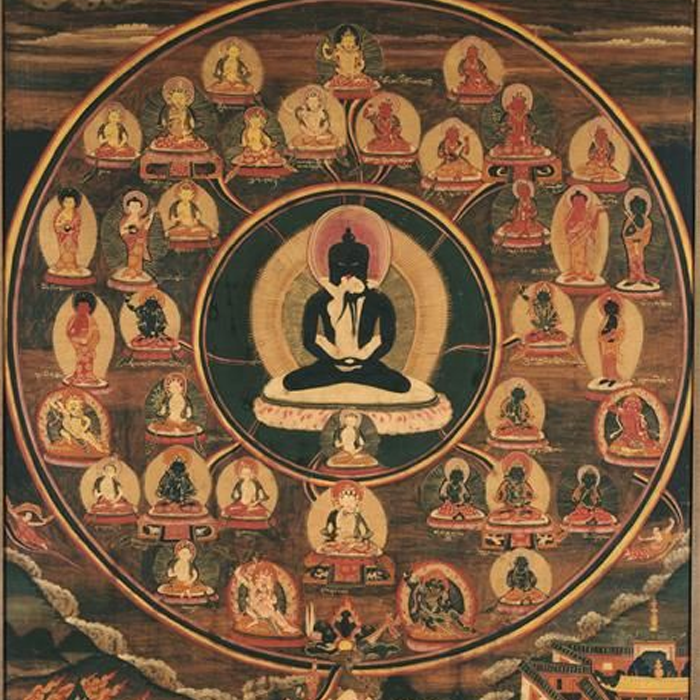
8th century CE (revealed text; 14th century CE in written form)
Tibetan Buddhist; Tibet; (Originally recorded in: Tibetan.) is a Tibetan Buddhist text traditionally read to the dying or recently deceased to guide consciousness through the intermediate state (bardo) between death and rebirth. It describes visionary experiences and offers instructions for recognizing the nature of mind, encouraging liberation through awareness rather than fear or attachment. Closely associated with Vajrayana practice lineages, it functions as both ritual manual and contemplative teaching on impermanence and awakening. Authorship: traditionally attributed to Padmasambhava (Guru Rinpoche) and said to have been concealed as a “treasure text” (terma) and later revealed by Karma Lingpa.
Link to resource: https://archive.org/details/tibetanbookofthedeadgrahamcolemanthuptenjinpa_569_j
Oral from c. 632 CE; written compilations c. 9th–10th century CE
Islamic; Arabian Peninsula, then Persia and Central Asia; (Originally recorded in: Arabic.) refers to reports about the Prophet Muhammad’s sayings, actions, and approvals, which serve—alongside the Qur’an—as a primary source for Islamic law and ethics. Hadith literature developed elaborate methods for evaluating transmission chains and reliability, producing major canonical collections in Sunni Islam (and distinct corpora in Shia traditions). Together, these reports help interpret scripture, shape ritual practice, and provide models of conduct across diverse Muslim communities. Authorship: individual reports are attributed to Muhammad (and early companions) through transmitters; major written collections are compiled by scholars such as al-Bukhari and Muslim ibn al-Hajjaj (among others).
Link to resource: (Arabic) https://archive.org/details/hadith_202102
(English Translation) https://archive.org/details/forty-nawawi-en
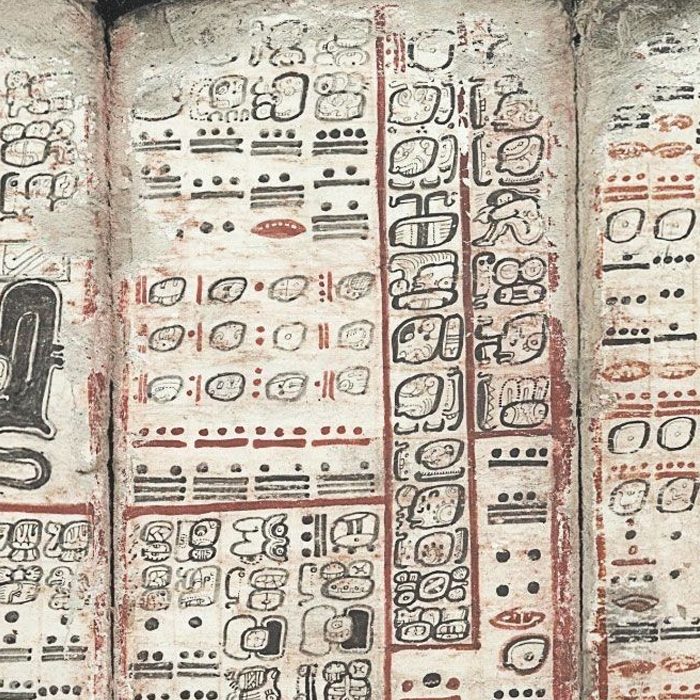
Oral tradition pre-Columbian; written c. 1550–1560 CE
Kʼicheʼ Maya; Mesoamerica (modern Guatemala). (Originally recorded in: Kʼicheʼ (Quiché) Maya; the surviving manuscript was written in Kʼicheʼ using the Latin alphabet.) is a sacred narrative of the Kʼicheʼ Maya that recounts creation, the deeds of heroic twins who confront underworld powers, and the origins and lineage of ruling families. It presents a cosmos alive with spiritual forces and cyclical themes of death and renewal, offering insight into pre-Columbian Maya religion, ethics, and political identity. Though written down in the colonial era, it preserves older oral traditions and remains a vital text for Indigenous cultural heritage. Authorship: anonymous and communal; commonly understood as preserved by Kʼicheʼ authors/scribes drawing on much older oral tradition.
Link to resource: https://archive.org/details/Popol-Vuh-03English-Translations

Compiled 1604 CE; finalized 1708 CE
Sikh; Punjab (Indian subcontinent). (Originally recorded in: Gurmukhi script, primarily Punjabi with significant Braj Bhasha, Hindi, Sanskrit, and Persian/Arabic loan vocabulary.) is Sikhism’s primary scripture and is regarded as the living Guru, containing hymns and teachings that emphasize devotion to the one formless God, humility, truthful living, and social equality. Composed in poetic forms meant for singing, it integrates voices of Sikh Gurus and other saint-poets, underscoring a spiritual path grounded in remembrance of God (naam), ethical action, and community service. Its central place in Sikh worship and identity is expressed through daily recitation, musical liturgy (kirtan), and reverent ceremonial practice. Authorship: includes compositions of Sikh Gurus (especially Guru Nanak through Guru Tegh Bahadur) and other saint-poets; compiled under Guru Arjan (early recension) and finalized under Guru Gobind Singh.
Link to resource: https://archive.org/details/guru-granth-sahib-english-translation_202406
Published 1830 CE (claims ancient origins c. 600 BCE – 421 CE)
Latter-day Saint (Mormon); United States (New York) (Originally recorded in: English; the text describes its source record as written in “reformed Egyptian.”) is a sacred text of the Latter-day Saint movement, presented as a record of ancient peoples in the Americas and their encounters with God, culminating in a post-resurrection ministry of Jesus Christ. It teaches themes of faith, repentance, covenant, prophecy, and the centrality of Christ, often paralleling biblical styles while developing its own narrative arc and sermons. Along with the Bible, it functions as a key scriptural foundation for Latter-day Saint doctrine, worship, and personal devotion. Authorship: published by Joseph Smith (translator, per Latter-day Saint belief); the narrative is attributed within the text to prophet-historians such as Mormon and Moroni compiling earlier records.
Link to resource(s): Book of Mormon https://archive.org/details/book-of-mormon-1830_202509
Book of Mormon Reference Companion: https://archive.org/details/bookofmormonrefe0000unse